
"Bolivian coffee regions"
300 article(s) found

Overall rich flavor Bolivian coffee varieties taste characteristics manor boutique coffee bean flavor introduction
Bolivia is a landlocked country in central South America, bounded by Brazil in the northeast, Paraguay in the southeast, Argentina in the south, Chile in the southwest and Peru in the west. The main topography is the plateau. Bolivia is the highest plateau country in the world, with an average elevation of more than 3000 meters. La Paz, the capital, is as high as 3660 meters above sea level, which is known as the highest capital in the world. Three points in Bolivia

Rich overall flavor Bolivian coffee varieties taste characteristics manor boutique coffee bean flavor introduction
Bolivia is a landlocked country in central South America, bounded by Brazil in the northeast, Paraguay in the southeast, Argentina in the south, Chile in the southwest and Peru in the west. The main topography is the plateau. Bolivia is the highest plateau country in the world, with an average elevation of more than 3000 meters. La Paz, the capital, is as high as 3660 meters above sea level, which is known as the highest capital in the world. Three points in Bolivia

Description of coffee flavor of Bolivian snow vein manor with rich and balanced flavor introduction of grinding degree of varieties in producing areas
Bolivia is 1/3 of the Andean mountains, rugged terrain, mainly road transport, accounting for more than 85% of transportation. The main railway and road networks are concentrated in the west, and remote areas rely on air communication. But road coverage is the lowest in South America. And there is also the Ronggas Highway, the world's first insurance road known as the road to death. There is no developed economy here. It is the poorest in South America.

The overall taste is rich and balanced Bolivian coffee flavor, characteristics, taste and manor introduction
Bolivia is a landlocked country in central South America, bounded by Brazil in the northeast, Paraguay in the southeast, Argentina in the south, Chile in the southwest and Peru in the west. The main topography is the plateau. Bolivia is the highest plateau country in the world, with an average elevation of more than 3000 meters. La Paz, the capital, is as high as 3660 meters above sea level, which is known as the highest capital in the world. Three points in Bolivia

Café Central Manor Introduction 2008 Cup of Excellence Champion Manor Bolivian Coffee Flavor
Professional coffee knowledge exchange More coffee bean information Please pay attention to coffee workshop (Weixin Official Accounts cafe_style) Louis Huahua is the father of three children. He is married to Zenobia Charca, a coffee producer for more than 20 years and winner of the Excellence Award in 2008. At the age of 10, he moved with his parents from Achacac, on the Bolivian plateau.

Bolivian coffee rich in sour taste Origin and development History and culture Introduction
Early Bolivian coffee was of poor quality and poorly marketed. The coffee cherries are usually picked and then simply peeled and sent all the way to the processing plant. Due to inadequate infrastructure, transportation is underdeveloped. Coffee farmers have to overcome rugged mountain roads to transport beans to higher altitudes in La Paz for washing. If coffee is not delivered in time,

The Bolivian name producing area is La Paz, including Karanawi, north and south, Yongster Inkihivi, etc.
Professional coffee knowledge exchange more coffee bean information Please pay attention to coffee workshops (Wechat official account cafe_style) Bolivia is a potential producing area, but it is only a small coffee export producing area, accounting for less than 0.1% of the global output, why? However, Bolivian production has declined year by year in recent years. From 1997 to 2014, the volume of exports declined year after year to only 1 pound 4, according to Roast

Citrus sour Bolivian Coffee Manor Snow vein Manor planting situation Climate altitude brief introduction
The early Bolivian coffee was of low quality and the market was very poor. Usually the picked coffee fruit is bumped all the way to the processing plant after a simple peeling treatment. Due to the imperfect infrastructure, the traffic is underdeveloped. Coffee farmers have to overcome the rugged mountain road and transport the beans to the higher altitude area of La Paz for washing. If the coffee fruit can not be delivered to the processing in time
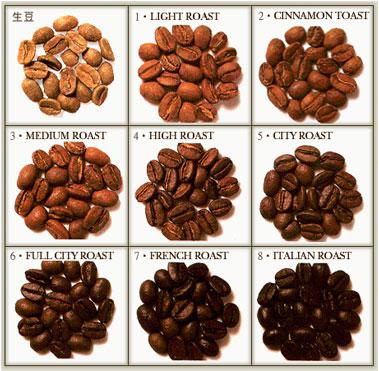
The overall taste is rich and balanced, the aroma is rich and unique Bolivian coffee flavor, characteristics, taste
Bolivia is a landlocked country in central South America, bounded by Brazil in the northeast, Paraguay in the southeast, Argentina in the south, Chile in the southwest and Peru in the west. The main topography is the plateau. Bolivia is the highest plateau country in the world, with an average elevation of more than 3000 meters. La Paz, the capital, is as high as 3660 meters above sea level, which is known as the highest capital in the world. Three points in Bolivia

A brief introduction to the planting Market Price of Fine Coffee Bean varieties in the full Flavor Snow vein Manor of Bolivia
In 1932, the Chaco War broke out between Bolivia and Paraguay for oil resources in the North Chaco region. Bolivia was defeated and lost a large area of territory. The people's armed uprising broke out in April 1952, and Paisdensolo, leader of the nationalist revolutionary movement, became president. Since then, there have been frequent military coups and long-term political instability. Modern assets with South American characteristics were restored in October 1983

A brief introduction to the treatment method of grinding degree and baking degree of citrus sour Bolivian snow vein manor coffee
The legal capital, the seat of the Supreme Court, with a population of 284000, 2790 meters above sea level. Founded in 1538, the city was formerly known as Chuquisaka. The city witnessed the first uprising in South America against Spanish rule in 1809. Bolivia declared its independence here in 1825 and became the capital in 1826. In 1839, it was renamed Sucre to commemorate the second president of Bolivia, General Antonio Jos é Sucre.

The overall taste is rich and balanced, the aroma is rich and unique Bolivian coffee flavor, characteristics, taste and
Bolivia is a landlocked country in central South America, bounded by Brazil in the northeast, Paraguay in the southeast, Argentina in the south, Chile in the southwest and Peru in the west. The main topography is the plateau. Bolivia is the highest plateau country in the world, with an average elevation of more than 3000 meters. La Paz, the capital, is as high as 3660 meters above sea level, which is known as the highest capital in the world. Three points in Bolivia

Overall taste rich Bolivian coffee variety characteristics Taste Manor boutique coffee bean flavor medium
Bolivia is a landlocked country in central South America, bordered by Brazil in the northeast, Paraguay in the southeast, Argentina in the south, Chile in the southwest and Peru in the west. The main terrain is plateau. Bolivia is the highest plateau country in the world, with an average altitude of more than 3000 meters. The capital La Paz is 3660 meters above sea level and is known as the highest capital in the world. Three points in Bolivia

Faye Butterfly Manor, Santa Cruz, Bolivia-Bolivian coffee from the roof of the world
For the exchange of professional baristas, please pay attention to the coffee workshop (official Wechat account cafe_style) delicious coffee that can only be tasted through the world's most dangerous roads Bolivia is one of the five most diverse countries in the world, with a landlocked country surrounded by and deeply affected by five countries, with a population of more than 1000, and the Indian aborigines, which account for about 60% of the total population, are divided into 36 peoples.

Description of Bolivian Coffee Flavor introduction to the taste of boutique coffee beans
Bolivia's high-quality estates, very high altitude, perennial low temperature environment, so that coffee fruit growth is slow, tight enough, aroma is also charming, floral aroma is obvious, such as careful handling, cherries with the same maturity, often have a clean and meticulous high-end taste, this elegant vanilla and honey aromas are very attractive, this champion bean has a variety of floral aromas, vanilla and sweet very long-lasting Boli

The introduction of Bolivian coffee beans that make people feel their strong personality.
In contrast to the hot summer, it seems that each bean in autumn can impress the taste buds with its own unique taste, Yega Chefe's lemon, Harald's bitter chocolate, sweet and sour fruit pie, Costa Rica, Kenyan red wine, as always, and this baking is a dark horse, which is even more amazing than when Yegashafi idido was born.
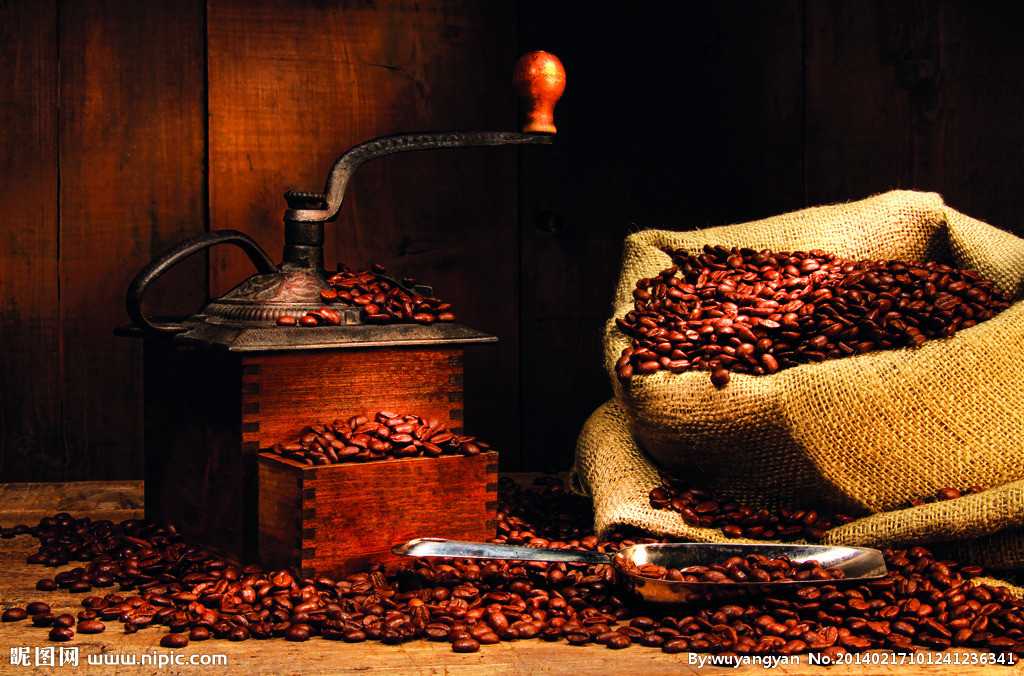
The overall rich taste of Bolivian coffee varieties taste manor boutique coffee bean flavor introduction
Bolivia is a landlocked country in central South America, bounded by Brazil in the northeast, Paraguay in the southeast, Argentina in the south, Chile in the southwest and Peru in the west. The main topography is the plateau. Bolivia is the highest plateau country in the world, with an average elevation of more than 3000 meters. La Paz, the capital, is as high as 3660 meters above sea level, which is known as the highest capital in the world. Three points in Bolivia

Description of Bolivian Coffee Flavor with rich aroma and unique flavor introduction of fine coffee beans in the producing area
The legal capital, the seat of the Supreme Court, with a population of 284000, 2790 meters above sea level. Founded in 1538, the city was formerly known as Chuquisaka. The city witnessed the first uprising in South America against Spanish rule in 1809. Bolivia declared its independence here in 1825 and became the capital in 1826. In 1839, it was renamed Sucre to commemorate the second president of Bolivia, General Antonio Jos é Sucre.

Introduction to the description of the planting environment of Bolivian coffee with the characteristics of grinding degree, taste treatment method and price.
Bolivia is 1/3 of the Andean mountains, rugged terrain, mainly road transport, accounting for more than 85% of transportation. The main railway and road networks are concentrated in the west, and remote areas rely on air communication. But road coverage is the lowest in South America. And there is also the Ronggas Highway, the world's first insurance road known as the road to death. There is no developed economy here. It is the poorest in South America.

A brief introduction to the treatment method of grinding degree and baking degree of fine coffee beans in Xuemai Manor with fruit aroma
The market for Bolivian coffee: the coffee grown in Bolivia, in which Arab washed coffee beans are exported to Germany and Sweden, is not the best taste today, and the advantage of Bolivian coffee with a bit of bitterness lies in its high altitude and excellent varieties of coffee, where the traditional Tibica and a small amount of Kaddura are highly valued in the world market. Bolivia is not coffee.